

The Greater Toronto Area (GTA) is a fantastic place to live and drive, but its roads can be tough on your vehicle’s paint. From the ever-present construction zones and flying debris on the 401 to the harsh winter freeze-thaw cycles that create potholes and kick up salt and gravel, your car’s exterior faces a constant barrage of threats. When it comes to protecting your investment, two of the most popular options are Paint Protection Film (PPF) and Ceramic Coating. So, which one is the right choice for you?
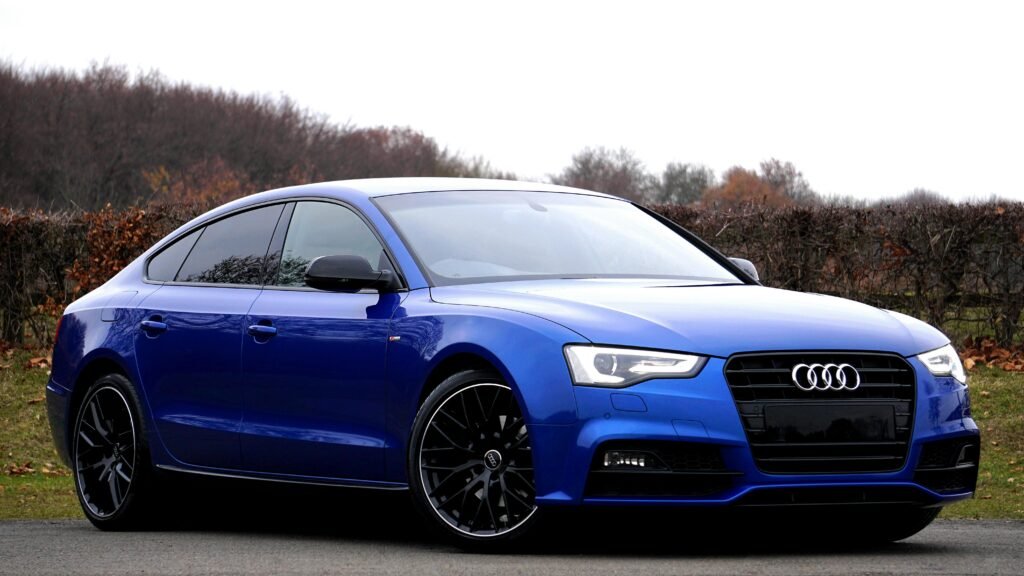
What is Paint Protection Film (PPF)?
Think of PPF as a physical shield for your car. This is a transparent, durable layer of thermoplastic urethane that is professionally applied to the painted surfaces of your vehicle. It’s essentially a thick, clear vinyl wrap designed to absorb impacts.
Pros of PPF:
- Superior Physical Protection: This is PPF’s biggest advantage. It provides an actual physical barrier that absorbs the impact of rock chips, gravel, and other debris that are so common on GTA highways. PPF also protects against minor scratches, scuffs, and bug splatter.
- Self-Healing Properties: Many modern PPF products have a self-healing top layer. When exposed to heat (like sunlight or warm water), minor swirl marks and scratches will disappear as the film returns to its original smooth state.
- Long-Lasting: A high-quality PPF installation can last anywhere from 5 to 10 years, offering a long-term solution.
Cons of PPF:
- Cost: PPF is significantly more expensive than a ceramic coating due to the cost of the material and the labor-intensive installation process.
- Aesthetic: While modern films are nearly invisible, they can sometimes have a slightly “pebbled” or matte finish compared to a freshly waxed car. It may also show seams on complex body panels.
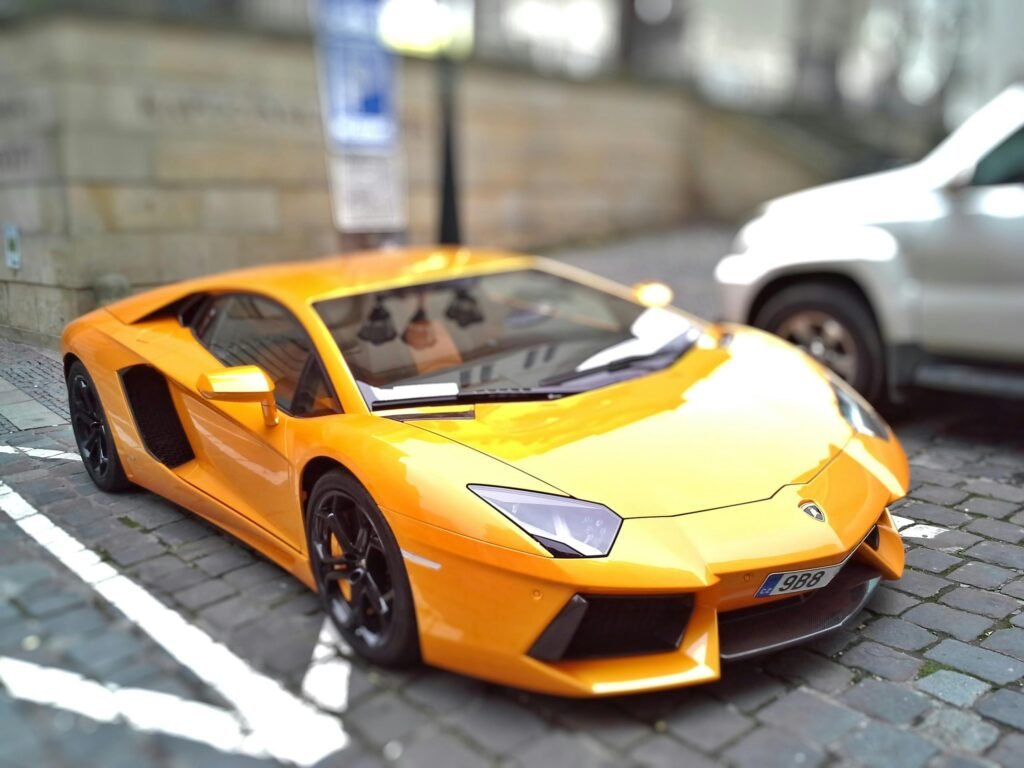
What is a Ceramic Coating?
A ceramic coating is a liquid polymer that is applied by hand to your vehicle’s exterior. Unlike PPF, it is not a physical film. Instead, it chemically bonds with your car’s factory paint, creating a semi-permanent hydrophobic layer.
Pros of Ceramic Coating:
- Enhanced Gloss and Shine: Ceramic coatings deliver a deep, mirror-like gloss that makes your vehicle’s paint look incredibly vibrant and glossy. This is often the primary reason people choose a ceramic coating.
- Exceptional Hydrophobic Properties: Water, dirt, and grime bead up and slide off the surface effortlessly. This makes washing your car much easier and keeps it cleaner for longer, a huge benefit during the GTA’s messy seasons.
- UV and Chemical Protection: The coating provides excellent protection against harmful UV rays, preventing paint oxidation and fading. It also resists chemical stains from things like acid rain, bird droppings, and road salts.
- More Affordable: A professional ceramic coating is generally less expensive than a full PPF wrap.
Cons of Ceramic Coating:
- Limited Physical Protection: This is the most important distinction. While a ceramic coating adds a layer of hardness to your clear coat and can help against light scratches and swirl marks, it will not stop rock chips. It is not designed to absorb physical impact.
- Requires Paint Correction: For the best results, the vehicle’s paint must be professionally corrected before application. This adds to the cost and time of the process.
- Less Durable: Ceramic coatings typically last between 2 to 5 years before needing a reapplication.
GTA Road Hazards: How They Stack Up
For drivers in the GTA, the main threats to your paint are rock chips and corrosive road salt.
- PPF is the clear winner for rock chips. The dense, impact-absorbing film is your best defense against the constant barrage of small stones and gravel kicked up on busy roads like the 401 or the DVP.
- Ceramic Coating is your ally against salt and grime. Its hydrophobic and chemical-resistant properties are perfect for repelling the road salt, slush, and dirt that accumulate during our long, harsh winters. This makes winter washes a breeze and prevents salt from etching into your paint.
The Verdict: Which Should You Choose?
- Choose PPF if your primary concern is physical damage. If you frequently drive on highways, have a new or high-end vehicle, or simply hate the sight of rock chips, PPF is the best choice for you.
- Choose a Ceramic Coating if you want superior gloss, easier cleaning, and chemical protection. It’s the ideal option for someone who wants their car to look its best with minimal effort, especially during the winter.
Or, Get the Best of Both Worlds: Many vehicle owners in the GTA opt for a combination of both services. PPF is applied to high-impact areas (the front bumper, hood, fenders, and side mirrors), and a ceramic coating is applied over the rest of the vehicle—and even over the PPF—for maximum protection and shine. This combination gives you the ultimate defense against both physical damage and environmental contaminants.